
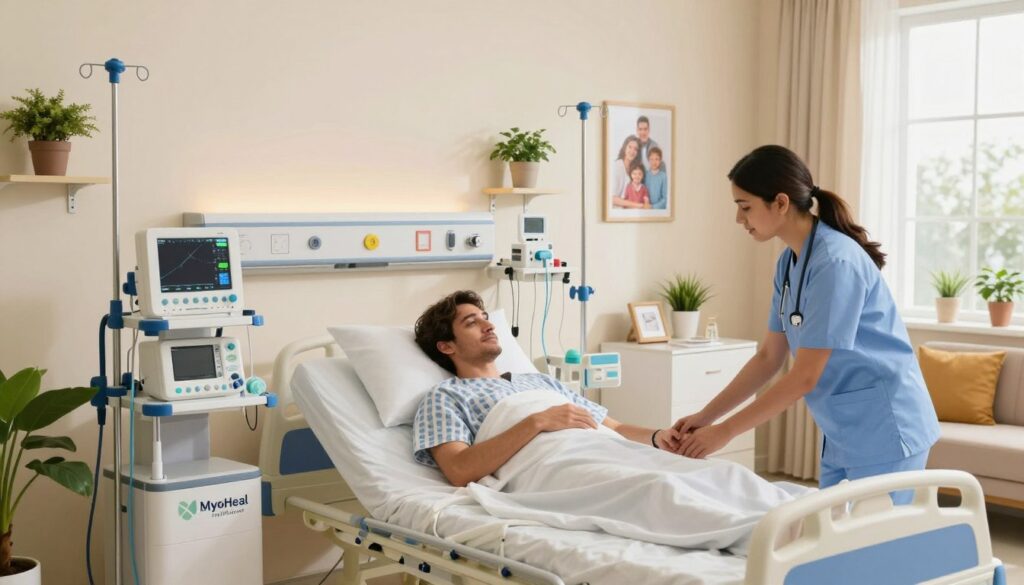
Comprehensive Bedridden Patient Care: Essential GDA & Nursing Roles for Successful Recovery
Caring for bedridden patients requires a coordinated team approach that combines medical expertise with compassionate daily support. This guide serves healthcare professionals, General Duty Assistants (GDAs), nursing students, and family caregivers who want to understand the critical roles each team member plays in helping immobilized patients recover safely and effectively.
Who This Guide Is For:
- GDAs seeking to understand their essential responsibilities in bedridden patient care
- Nurses developing skills in nursing interventions for immobilized patients
- Healthcare teams working on collaborative nursing care strategies
- Family members caring for bedridden loved ones at home
When patients become bedridden due to illness, injury, or surgery, they face serious health risks that go beyond their primary condition. Without proper care, complications like pressure ulcers, muscle atrophy, and depression can significantly slow recovery or create new medical problems.
Key Topics We’ll Cover:
GDA Responsibilities & Daily Care Excellence – Learn the fundamental duties that GDAs perform to prevent complications, including positioning techniques, hygiene maintenance, and early warning sign recognition that supports the nursing team’s clinical assessments.
Critical Nursing Interventions for Recovery – Discover evidence-based nursing strategies for pressure ulcer prevention, respiratory care, and mobility restoration techniques that help patients regain independence while addressing bedridden patient mental health needs.
Collaborative Care Coordination – Understand how GDAs and nurses work together to create individualized care plans that address both physical rehabilitation goals and emotional support, ensuring comprehensive bedridden patient rehabilitation that speeds recovery and improves outcomes.
Understanding Bedridden Patient Challenges and Health Risks

Identifying mobility limitations and their physical consequences
When patients become bedridden, their bodies face immediate and progressive challenges that can quickly spiral into serious health complications. Immobilized patient care requires understanding how the absence of movement affects every bodily system.
Muscle weakness develops within just 24-48 hours of bed rest, with patients losing approximately 1-3% of muscle strength daily. The legs and core muscles suffer the most dramatic decline, making future mobility restoration increasingly difficult. Joint contractures begin forming as connective tissues shorten and stiffen, particularly affecting the hips, knees, and ankles.
Cardiovascular deconditioning occurs rapidly as the heart adapts to reduced workload demands. Blood pooling in the extremities leads to decreased circulation, increasing the risk of blood clots and deep vein thrombosis. Orthostatic hypotension becomes a significant concern when patients eventually attempt to sit or stand again.
Bone density decreases at an alarming rate of 1-2% per week during prolonged bed rest. This bone loss, known as disuse osteoporosis, makes patients vulnerable to fractures even from minor movements or transfers.
Recognizing psychological impacts of prolonged bed rest
The mental health challenges of bedridden patient care are often underestimated but can be as devastating as physical complications. Patients experience a profound loss of independence that can trigger depression, anxiety, and feelings of helplessness.
Social isolation compounds these psychological effects as patients become separated from their normal routines and relationships. The constant reliance on others for basic needs like eating, bathing, and toileting can severely damage self-esteem and personal dignity.
Sleep disturbances are common due to disrupted circadian rhythms, pain, medication side effects, and the unfamiliar environment. Poor sleep quality further exacerbates mood disorders and cognitive dysfunction.
Cognitive changes may include difficulty concentrating, memory problems, and reduced mental acuity. These changes can be particularly distressing for patients who were previously sharp and independent, creating a cycle of frustration and withdrawal.
Preventing pressure sores and skin breakdown complications
Pressure ulcers represent one of the most serious and preventable complications in bedridden patient rehabilitation. These wounds develop when prolonged pressure restricts blood flow to tissues, causing cell death and tissue breakdown.
High-risk areas include the sacrum, heels, elbows, and back of the head – any bony prominence that bears weight during bed rest. Patients with poor nutrition, incontinence, or compromised circulation face elevated risks.
Pressure ulcer prevention requires a multi-faceted approach:
- Position changes every 2 hours minimum to redistribute pressure points
- Specialized support surfaces like pressure-reducing mattresses and cushions
- Skin assessment twice daily to identify early warning signs
- Moisture management to keep skin clean and dry
- Nutritional optimization to support tissue integrity and healing
Stage progression occurs rapidly, with superficial redness advancing to deep tissue damage within days if left untreated. Once established, pressure ulcers can take weeks or months to heal and may require surgical intervention in severe cases.
Managing respiratory complications and pneumonia risks
Respiratory complications pose a significant threat to bedridden patients due to decreased lung expansion and impaired secretion clearance. The supine position reduces functional residual capacity and promotes pooling of secretions in dependent lung areas.
Hypostatic pneumonia develops when secretions accumulate and become infected. Risk factors include weakened cough reflex, reduced mobility, sedating medications, and underlying respiratory conditions.
Prevention strategies include:
- Frequent position changes to promote drainage and ventilation
- Deep breathing exercises to maintain lung capacity
- Chest physiotherapy to mobilize secretions
- Early mobilization when medically appropriate
- Adequate hydration to thin respiratory secretions
Aspiration risks increase due to weakened swallowing reflexes and prolonged supine positioning. Elevating the head of the bed and careful monitoring during meals can reduce these risks significantly.
Regular respiratory assessments help identify early signs of deterioration, allowing for prompt intervention before complications become life-threatening.
Essential GDA Responsibilities in Bedridden Patient Care

Providing Personal Hygiene Assistance and Maintaining Dignity
GDA responsibilities in bedridden patient care start with the fundamental need for personal cleanliness and dignity preservation. Daily hygiene routines become complex when patients can’t move independently, requiring careful attention to bathing, oral care, and grooming. A skilled GDA approaches these tasks with sensitivity, explaining each step and maintaining conversation to help patients feel like active participants rather than passive recipients.
Bed baths require systematic technique, starting with the face and working downward to maintain cleanliness standards. Water temperature should remain comfortably warm throughout the process, and privacy must be protected by exposing only the area being cleaned. Hair washing can be accomplished using specialized basins or no-rinse shampoo products, while nail care prevents infections and maintains appearance.
Oral hygiene becomes particularly challenging for bedridden patients, especially those with limited consciousness or swallowing difficulties. Regular teeth brushing, mouth rinsing, and lip care prevent oral infections that could complicate recovery. The GDA must position patients safely during oral care to prevent aspiration while ensuring thorough cleaning.
Supporting Proper Positioning and Regular Turning Schedules
Pressure ulcer prevention stands as one of the most critical aspects of bedridden patient care. GDAs must understand anatomical pressure points and implement turning schedules every two hours around the clock. This responsibility requires physical strength, proper body mechanics, and knowledge of safe repositioning techniques.
Different positions serve specific therapeutic purposes. The supine position allows spine alignment but requires heel elevation to prevent pressure sores. Side-lying positions need pillow support between knees and behind the back. The prone position, when medically appropriate, can improve respiratory function but requires careful face and chest support.
Documentation of positioning becomes essential for continuity of care. GDAs track turning times, skin condition, and patient comfort levels. Special attention goes to high-risk areas like the sacrum, heels, and bony prominences. Pressure-relieving devices such as specialized mattresses, heel protectors, and positioning wedges support these efforts.
Assisting with Feeding and Maintaining Nutritional Intake
Nutritional support for immobilized patients presents unique challenges that GDAs must navigate skillfully. Many bedridden patients experience decreased appetite, swallowing difficulties, or digestive issues that complicate feeding. The GDA’s role extends beyond simply providing meals to encouraging adequate intake and monitoring for potential complications.
Positioning for feeding requires elevating the head of the bed to at least 30 degrees, reducing aspiration risk. Meal presentation should be appealing, with appropriate portion sizes that don’t overwhelm patients with reduced appetites. Finger foods and adaptive utensils can help maintain patient independence when possible.
Hydration monitoring becomes equally important, as bedridden patients often develop dehydration from reduced fluid intake or increased fluid losses. GDAs track fluid input and output, offering beverages regularly throughout the day. Signs of dehydration like dry mouth, decreased skin elasticity, or concentrated urine require immediate attention.
Monitoring Vital Signs and Recognizing Warning Symptoms
GDAs serve as the frontline observers for changes in patient condition. Regular vital sign monitoring including temperature, pulse, blood pressure, and respiratory rate provides baseline data for detecting complications. Understanding normal ranges and recognizing deviations helps identify problems before they become critical.
Beyond routine measurements, GDAs must watch for subtle changes in patient behavior, skin color, breathing patterns, or mental status. Early recognition of pressure sore development, respiratory distress, or infection symptoms can prevent serious complications. This vigilance requires training in observation skills and understanding of common bedridden patient complications.
Facilitating Communication Between Patients and Medical Staff
Effective communication bridges gaps between patients and healthcare teams. GDAs spend the most time with bedridden patients, making them valuable sources of information about patient concerns, pain levels, and treatment responses. They translate patient needs to nurses and physicians while explaining medical procedures and treatment plans in understandable terms.
Patient advocacy forms another communication aspect, ensuring patient voices are heard in care decisions. GDAs help patients express preferences about positioning, timing of care activities, and comfort measures. This advocacy role requires understanding patient rights and maintaining professional boundaries while supporting patient autonomy.
Documentation and reporting skills enable GDAs to communicate observations effectively. Clear, concise reporting of changes in condition, patient complaints, or care interventions helps medical staff make informed decisions about treatment modifications.
If you are looking for reliable GDA services for bedridden patient care at home, MyoHeal Healthcare provides trained home-based GDAs for daily assistance and recovery support.
Critical Nursing Interventions for Optimal Recovery

Developing Comprehensive Care Plans Tailored to Individual Needs
Every bedridden patient presents unique challenges that demand personalized nursing interventions. Registered nurses conduct thorough assessments to understand each patient’s medical history, current condition, functional limitations, and specific recovery goals. These assessments form the foundation for creating detailed care plans that address both immediate needs and long-term recovery objectives.
The care planning process begins with identifying the patient’s primary diagnosis, secondary conditions, and potential complications associated with prolonged bed rest. Nurses evaluate factors such as cognitive function, nutritional status, skin integrity, respiratory capacity, and psychological well-being. This comprehensive evaluation helps nurses prioritize interventions and establish realistic timelines for recovery milestones.
Effective care plans incorporate evidence-based protocols while remaining flexible enough to adapt as the patient’s condition evolves. Nurses regularly review and modify these plans based on the patient’s response to treatments, changes in health status, and feedback from the interdisciplinary care team. The documentation of these plans ensures continuity of care across different shifts and healthcare providers.
Patient and family involvement plays a crucial role in care plan development. Nurses educate patients about their condition, treatment options, and expected outcomes while encouraging active participation in decision-making processes. This collaborative approach enhances patient compliance and promotes better recovery outcomes.
Administering Medications and Managing Pain Effectively
Medication management for bedridden patients requires exceptional attention to detail and timing. These patients often require complex medication regimens that may include antibiotics, pain medications, blood thinners, muscle relaxants, and medications to prevent complications like pneumonia or blood clots. Nurses must understand drug interactions, side effects, and appropriate dosing schedules to ensure patient safety.
Pain management strategies extend beyond pharmaceutical interventions. Bedridden patients frequently experience discomfort from prolonged positioning, muscle atrophy, and pressure points. Nurses implement multimodal pain management approaches that combine medications with non-pharmacological techniques such as repositioning, massage therapy, heat and cold applications, and relaxation techniques.
Regular pain assessments help nurses monitor the effectiveness of interventions and adjust treatment plans accordingly. Using standardized pain scales, nurses document pain levels, locations, and characteristics to track patterns and identify triggers. This data enables healthcare teams to optimize pain management protocols and improve patient comfort.
Nurses also educate patients about pain management techniques they can perform independently, such as deep breathing exercises, guided imagery, and progressive muscle relaxation. Teaching patients these self-management skills empowers them to take an active role in their comfort and recovery.
Implementing Wound Care Protocols and Infection Prevention
Pressure ulcer prevention represents one of the most critical aspects of nursing care for immobilized patients. Bedridden patients face elevated risks of developing pressure sores due to continuous pressure on bony prominences, reduced circulation, and limited mobility. Nurses implement systematic turning schedules every two hours, use specialized pressure-relieving mattresses and cushions, and conduct regular skin assessments to identify early signs of breakdown.
Wound care protocols require meticulous attention to sterile technique and evidence-based treatments. When pressure ulcers or other wounds occur, nurses perform regular assessments to monitor healing progress, document wound characteristics, and select appropriate dressings. They collaborate with wound care specialists when complex wounds require advanced treatment modalities.
Infection prevention strategies encompass multiple interventions designed to reduce the risk of healthcare-associated infections. Nurses maintain strict hand hygiene practices, implement isolation precautions when necessary, and monitor for signs of respiratory, urinary tract, and surgical site infections. They also ensure proper catheter care, respiratory hygiene, and environmental cleaning protocols.
Patient education about infection prevention helps engage patients and families in maintaining safety. Nurses teach proper hand hygiene techniques, signs and symptoms of infection to report, and the importance of following prescribed treatments. This education creates a partnership between healthcare providers and patients that strengthens infection prevention efforts throughout the recovery process.
If you require reliable home nursing services for bedridden patient care, MyoHeal Healthcare provides skilled nurses for medical monitoring and recovery support.
Physical Rehabilitation Strategies to Restore Mobility

Designing Passive Range-of-Motion Exercises for Muscle Maintenance
Passive range-of-motion (PROM) exercises form the foundation of bedridden patient rehabilitation, preventing muscle contractures and maintaining joint flexibility when patients cannot move independently. These carefully structured movements require healthcare providers to move each joint through its complete range while the patient remains relaxed and passive.
Upper Body PROM Protocols:
- Shoulder movements: Perform forward flexion, extension, abduction, and internal/external rotation at least twice daily
- Elbow and wrist exercises: Complete flexion and extension cycles, including wrist circumduction and finger flexion
- Neck mobility: Gentle lateral flexion, rotation, and forward/backward movements to prevent stiffness
Lower Body PROM Techniques:
- Hip joint maintenance: Execute flexion, extension, abduction, and rotation movements supporting the entire leg
- Knee and ankle care: Perform flexion/extension cycles while maintaining proper alignment
- Foot positioning: Include dorsiflexion, plantarflexion, and toe movements to prevent drop foot
Each joint should be moved through 5-10 repetitions, holding end positions for 10-15 seconds. The key lies in gentle, controlled movements that never force joints beyond comfortable limits or cause pain.
Progressing to Active Assisted Movements as Strength Improves
As patients regain strength and neurological function, the transition from passive to active-assisted exercises marks a crucial milestone in bedridden patient rehabilitation. This progression requires careful assessment and gradual increases in patient participation.
Assessment Indicators for Progression:
- Patient demonstrates voluntary muscle contractions
- Improved cognitive awareness and ability to follow commands
- Reduced pain levels during passive movements
- Medical clearance from attending physician
Active-Assisted Exercise Techniques:
The healthcare provider supports and guides the patient’s limb while encouraging them to initiate and participate in the movement. Start with simple movements like:
- Arm raises: Patient lifts arm while provider supports weight and guides trajectory
- Leg slides: Patient pushes heel along bed surface with provider assistance for hip and knee flexion
- Assisted sitting: Gradual progression from head elevation to supported sitting positions
Monitoring Progress:
Track improvements through measurable outcomes including increased active range of motion, sustained muscle contractions, and patient-reported comfort levels. Document daily progress to adjust exercise intensity and complexity appropriately.
Coordinating with Physiotherapy for Specialized Interventions
Professional physiotherapy integration elevates bedridden patient care beyond basic mobility maintenance to targeted therapeutic interventions. This collaboration ensures evidence-based treatment protocols and specialized equipment utilization.
Physiotherapy Assessment Components:
- Comprehensive musculoskeletal evaluation
- Neurological status assessment
- Functional capacity testing
- Goal-setting for recovery milestones
Specialized Interventions:
Physical therapists bring advanced techniques including electrical stimulation for muscle re-education, specialized positioning devices, and progressive resistance training protocols. They also provide gait training preparation and transfer technique instruction for eventual mobility restoration.
Communication Protocols:
Establish regular communication channels between nursing staff, GDAs, and physiotherapists through:
- Daily progress notes sharing
- Weekly interdisciplinary team meetings
- Real-time consultation for acute changes
- Standardized assessment tools for consistent monitoring
For professional home physiotherapy and bedridden patient rehabilitation, you can explore specialized home care services at MyoHeal Healthcare and MyoHeal Physiotherapy
Using Mobility Aids and Assistive Devices Effectively
Strategic implementation of mobility aids accelerates recovery while ensuring patient safety during the transition from bedridden status to independent mobility. Proper device selection and training are essential for successful outcomes.
Progressive Device Implementation:
| Recovery Stage | Appropriate Devices | Primary Function |
|---|---|---|
| Early mobilization | Bed rails, trapeze bar | Safe positioning, upper body strengthening |
| Transfer preparation | Slide boards, transfer belts | Assisted bed-to-chair movements |
| Standing practice | Standing frames, parallel bars | Weight-bearing progression |
| Walking readiness | Walkers, rollators | Supported ambulation |
Device Safety Protocols:
- Conduct daily equipment inspections for wear and stability
- Ensure proper fit and adjustment for each patient
- Train all caregivers on correct usage techniques
- Document patient response and progress with each device
Patient Education:
Include patients in device selection discussions when possible, explaining benefits and proper usage. This involvement increases compliance and confidence during recovery phases. Provide written instructions and visual guides for complex devices, ensuring patients understand safety procedures and emergency protocols.
Regular reassessment of device appropriateness prevents over-dependence while ensuring adequate support during each recovery phase. The goal remains progressive independence while maintaining safety standards throughout the mobility restoration process.
Creating Supportive Environment for Mental Health Recovery

Establishing Regular Communication and Emotional Support Routines
Mental health challenges strike bedridden patients harder than most people realize. The isolation, dependency, and loss of autonomy create a perfect storm for depression and anxiety. Building structured communication routines becomes the foundation of bedridden patient mental health support.
GDAs and nurses must establish consistent daily check-ins that go beyond medical assessments. These conversations should include active listening, validation of the patient’s feelings, and genuine interest in their concerns. A simple “How are you feeling today?” followed by patient silence to allow full expression can make tremendous difference.
Creating emotional support routines means scheduling specific times for meaningful conversations. Morning check-ins can set a positive tone for the day, while evening discussions help process daily experiences and concerns. These interactions shouldn’t feel clinical or rushed – they require patience and authentic care.
Documentation of emotional states and triggers helps healthcare teams understand patterns and adjust bedridden patient care accordingly. When a patient consistently shows signs of distress during certain activities or times, teams can proactively address these challenges.
Training GDAs to recognize signs of depression, anxiety, or emotional distress proves essential. Warning signs include withdrawal from conversation, changes in sleep patterns, loss of appetite, or expressions of hopelessness. Early identification allows for prompt intervention and prevents mental health deterioration.
Encouraging Family Involvement and Social Connections
Family members often feel helpless when their loved one becomes bedridden, but their involvement plays a crucial role in patient recovery. Healthcare teams must guide families on how to provide meaningful support while respecting medical protocols and patient needs.
Regular family meetings help coordinate care and ensure everyone understands their role. These sessions should address visiting schedules, communication strategies, and ways family members can contribute to the patient’s emotional well-being. Clear guidelines prevent overwhelming the patient while maximizing beneficial social interaction.
Technology opens new doors for maintaining social connections. Video calls with distant relatives, virtual participation in family events, or online gatherings with friends help combat the isolation that comes with prolonged bed rest. Healthcare teams should assist patients in using these technologies and schedule regular virtual social activities.
Encouraging family members to share normal daily activities and conversations helps patients feel connected to life outside their medical situation. Stories about work, school events, neighborhood happenings, or family traditions maintain the patient’s sense of belonging and involvement in their loved ones’ lives.
Some families need guidance on conversation topics that uplift rather than burden bedridden patients. While sharing challenges shows trust, constantly discussing problems can worsen patient anxiety. Balance remains key – honest communication mixed with positive updates and future planning.
Providing Entertainment and Cognitive Stimulation Activities
Mental stimulation prevents cognitive decline and provides essential distraction from physical discomfort and emotional challenges. Bedridden patient care must include varied activities that match individual interests and cognitive abilities.
Reading programs can include audiobooks, large-print materials, or e-readers with adjustable font sizes. Book discussions with staff or family members add social elements to this solitary activity. Libraries often provide special services for homebound individuals, expanding available options.
Cognitive exercises like puzzles, word games, or memory challenges help maintain mental sharpness. These activities can be adapted for different mobility levels – from handheld devices to voice-activated games. Regular progression tracking helps patients see improvement and maintains motivation.
Creative activities offer emotional outlets and sense of accomplishment. Art supplies adapted for limited mobility, music listening or creation, or writing projects give patients control over their environment and self-expression opportunities. These activities can produce tangible results that boost self-esteem.
Educational programs tailored to patient interests provide learning opportunities and mental engagement. Online courses, documentary viewing, or skill-building activities help patients feel productive and forward-thinking rather than stagnant.
Entertainment scheduling prevents monotony while ensuring adequate rest periods. Rotating activities throughout the week, involving patient preferences in planning, and adjusting intensity based on energy levels creates sustainable engagement without exhaustion.
Collaborative Care Coordination Between GDAs and Nurses

Establishing Clear Communication Protocols and Handover Procedures
Effective collaborative nursing care starts with rock-solid communication systems that keep everyone on the same page. Think of it like passing the baton in a relay race – if the handoff isn’t smooth, the whole team suffers, and ultimately, so does the patient.
Daily huddles between GDAs and nurses create the foundation for seamless bedridden patient care. These brief 10-15 minute meetings should happen at shift changes, covering vital signs trends, medication responses, skin integrity updates, and any behavioral changes. Documentation systems need to be standardized, with both teams using the same terminology and assessment scales.
SBAR (Situation, Background, Assessment, Recommendation) communication becomes your best friend here. When a GDA notices a patient’s skin showing early pressure point redness, they can quickly communicate: “Mrs. Johnson has new erythema on her left hip (Situation), she’s been bedbound for three weeks post-surgery (Background), the area blanches but remains red after position change (Assessment), and I recommend increasing turning frequency to every hour (Recommendation).”
Digital communication tools revolutionize handover procedures. Mobile apps and shared dashboards allow real-time updates about positioning schedules, intake/output tracking, and pain levels. This eliminates the old problem of information getting lost between shifts or forgotten during verbal reports.
Defining Roles and Responsibilities to Prevent Care Gaps
Clear role definition prevents the dangerous “someone else will handle it” mentality that can derail bedridden patient rehabilitation. Each team member needs to know exactly what falls under their scope of practice and when to escalate concerns.
GDAs typically handle fundamental care activities: repositioning every two hours, monitoring skin integrity, assisting with hygiene, and encouraging fluid intake. They’re the eyes and ears during longer shifts, catching subtle changes that might signal complications.
Nurses focus on clinical assessments, medication administration, wound care, and coordinating with physicians. They interpret the data GDAs collect and make critical decisions about care plan modifications.
| Responsibility Area | GDA Role | Nursing Role |
|---|---|---|
| Positioning | Execute 2-hour turning schedule | Assess positioning effectiveness, modify schedule |
| Skin Assessment | Daily visual inspection, report changes | Comprehensive assessment, staging, treatment plans |
| Mobility Support | Assist with prescribed exercises | Evaluate progress, adjust rehabilitation goals |
| Nutrition Support | Monitor intake, encourage eating | Assess nutritional status, consult dietitian |
| Medication | Remind patients, observe compliance | Administer, monitor effects, educate |
Overlap zones require special attention. Both team members might notice changes in mental status or mobility, but the nurse carries responsibility for clinical interpretation and intervention decisions.
Implementing Quality Assurance Measures and Continuous Improvement
Quality assurance in bedridden patient care goes beyond checking boxes – it’s about creating systems that catch problems before they become crises. Regular audits of care protocols help identify where the system breaks down.
Weekly case review meetings examine patients showing slower recovery progress or developing complications. These sessions aren’t about pointing fingers but about learning from challenges. Did communication gaps contribute to a pressure ulcer development? Was the turning schedule realistic given staffing levels?
Patient and family feedback surveys provide invaluable insights. Families often notice things that busy healthcare workers miss, like a patient expressing pain differently or seeming more confused at certain times of day.
Outcome tracking creates accountability and drives improvement. Metrics might include time to first mobilization, pressure ulcer incidence rates, length of bedbound status, and patient satisfaction scores. When teams see their numbers improving, motivation soars.
Training and Skill Development for Enhanced Patient Outcomes
Ongoing education keeps both GDAs and nurses sharp and current with best practices in immobilized patient care. Cross-training creates more flexible, understanding team members who appreciate each other’s challenges and contributions.
Simulation training works wonders for complex scenarios. Teams can practice emergency responses, difficult patient transfers, and communication during high-stress situations without putting actual patients at risk. These sessions build confidence and reveal system weaknesses in a safe environment.
Specialty certifications in areas like wound care, mobility assistance, or pressure ulcer prevention create expertise depth within teams. When team members pursue additional training, they become resource persons for their colleagues, raising overall care quality.
Regular competency assessments ensure skills don’t deteriorate over time. Hands-on evaluations of repositioning techniques, skin assessment accuracy, and emergency response protocols maintain standards and identify retraining needs early.

Caring for bedridden patients requires a team approach where GDAs and nurses work hand-in-hand to address both immediate health risks and long-term recovery goals. From preventing pressure sores and managing daily hygiene to implementing rehabilitation exercises and providing emotional support, every aspect of care plays a vital role in helping patients regain their independence. The collaboration between these healthcare professionals ensures that no detail gets overlooked, whether it’s monitoring vital signs, assisting with mobility exercises, or creating a positive environment that supports mental well-being.
If you’re involved in bedridden patient care or have a loved one in this situation, remember that recovery is possible with the right support system in place. Focus on finding healthcare teams that prioritize communication, follow evidence-based care protocols, and treat each patient as a whole person rather than just a medical condition. The journey back to mobility and independence takes time, but with dedicated GDAs and nurses working together, patients can achieve remarkable improvements in their quality of life and overall health outcomes.
For comprehensive home nursing care for bedridden patients, explore professional nursing services at MyoHeal Healthcare.
Pingback: ICU Setup at Home in Gurgaon - Complete Critical Care Services
Pingback: Bedridden Hygiene Care Gurgaon | MyoHeal Healthcare